
The Complete Guide to Youth Basketball Teams and Tryouts
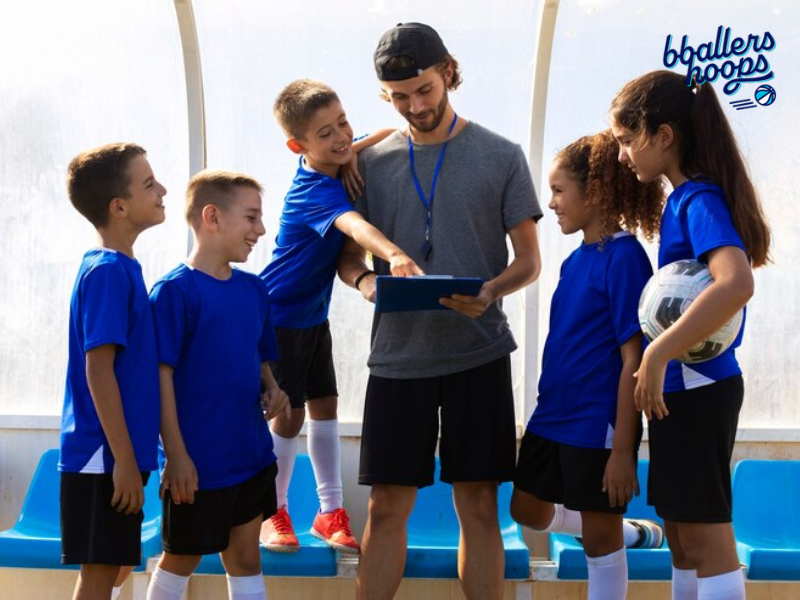
Choosing the right basketball team can help a young player improve their skills, build confidence, and enjoy the game. However, finding the right fit involves more than selecting a team based on its name or reputation. Parents need to consider coaching quality, age groups, practice schedules, competition levels, and their child’s personal goals. Youth basketball teams range from beginner-friendly recreational programs to competitive clubs that require regular training and travel. Understanding how boys’ and girls’ teams work, what coaches expect at tryouts, and how school basketball differs from club basketball can make the decision easier. This guide explains what parents and young players should know before choosing a team or attending their first tryout.
Key Takeaways
- Choose a basketball team based on your child’s age, experience, goals, and schedule.
- Boys’ and girls’ teams should provide age-appropriate coaching and equal opportunities to develop.
- Coaches look for fundamental skills, effort, communication, teamwork, and coachability.
- School basketball and club basketball offer different playing experiences and commitments.
- Tryouts commonly include warm-ups, skill drills, scrimmages, and coach evaluations.
- Preparation and a positive attitude can help players feel more confident during tryouts.
How Can Parents Find the Right Boys’ Basketball Team?
Parents can find the right boys’ basketball team by comparing the coaching approach, player development opportunities, competition level, practice schedule, and team environment. The best choice is not always the most competitive team. It is the one that matches the child’s current ability and provides room to improve.
What Should Parents Check Before Choosing a Team?
Before registering, research the team’s structure and expectations. Look for:
- Coaching experience: Coaches should understand youth development and teach proper fundamentals.
- Age groups: Confirm that the team accepts your child’s age and experience level.
- Practice schedule: Check how many sessions take place each week.
- Playing opportunities: Ask how playing time is managed.
- Team environment: Look for respect, encouragement, and positive communication.
Recreational vs. Competitive Boys Basketball Teams
Boys basketball teams usually fall into recreational or competitive categories. Each offers different opportunities.
| Feature | Recreational Teams | Competitive Teams |
|---|---|---|
| Main focus | Learning and enjoyment | Skill development and competition |
| Experience | Beginners and developing players | More experienced players |
| Training | Usually 1–2 sessions weekly | Often 2–4 sessions weekly |
| Games | Local games | Leagues and tournaments |
| Commitment | More flexible | Usually higher |
Where Can Parents Find Boys Basketball Teams Near Me?
Parents can search online for boys basketball teams near me, local recreation departments, community centers, school programs, and established boys basketball clubs.
Before choosing, compare registration dates, age requirements, coaching details, and trial opportunities. Contact the organization directly to confirm whether boys basketball team registration is currently open.
Pro Tip: Attend a practice or watch a game before registering. Seeing how coaches communicate with players can reveal more than a team advertisement.
What Should Girls Look for in a Youth Basketball Team?
Girls should look for a youth basketball team that provides supportive coaching, regular playing opportunities, age-appropriate competition, and a positive environment. A strong program develops basketball fundamentals while helping players become confident, disciplined, and comfortable contributing to a team.
What Makes a Good Girls Basketball Team?
A good girls basketball team focuses on player development rather than winning alone. Coaches should help players understand the game, practice consistently, and learn from mistakes.
Look for these qualities:
- Coaches who encourage questions and communication.
- Fair opportunities for players to participate.
- Training in shooting, passing, dribbling, and defense.
- Respectful relationships between teammates.
- Clear expectations for attendance and behavior.
Recreational and Competitive Girls Basketball Programs
Girls basketball programs may offer beginner, intermediate, and advanced opportunities. Recreational teams are suitable for learning the game, while competitive girls basketball teams generally involve more demanding practices and tournaments.
| Program Type | Suitable For | Main Benefit |
|---|---|---|
| Beginner programs | New players | Learning basic skills |
| Recreational teams | Developing players | Enjoyment and teamwork |
| Competitive clubs | Experienced players | Higher-level competition |
| School teams | Eligible students | School representation |
How Can Parents Compare Girls Basketball Clubs?
When comparing girls basketball clubs, ask about coaching qualifications, player-to-coach ratios, tournament participation, and development plans.
Also check whether the club offers different teams for beginners and experienced players. This helps ensure that young athletes train with players at a suitable level.
What Skills Do Coaches Look for in Youth Basketball Players?
Youth basketball coaches look for fundamental skills, effort, teamwork, communication, discipline, and the ability to follow instructions. Players do not need to be perfect during tryouts. Coaches often evaluate how quickly they learn, respond to feedback, and contribute to team activities.
Which Basketball Fundamentals Matter Most?
Players should develop five essential basketball skills:
- Dribbling: Controlling the ball with both hands while moving.
- Shooting: Using proper balance, hand placement, and follow-through.
- Passing: Delivering accurate passes and recognizing open teammates.
- Defense: Staying balanced, moving laterally, and defending without unnecessary contact.
- Rebounding: Positioning correctly and pursuing the ball after missed shots.
Why Do Coaches Value Teamwork and Attitude?
Basketball requires players to work together. A talented player who ignores teammates or refuses instructions may struggle to fit into a team.
Coaches often notice whether a player:
- Communicates during drills.
- Share the ball instead of forcing shots.
- Encourages teammates.
- Listen to feedback.
- Keep trying after making mistakes.
How Can Players Prepare Before Tryouts?
Players can build confidence by practising for 30–45 minutes, three or four times per week.
A simple practice routine includes:
- 10 minutes of dribbling with both hands.
- 10 minutes of shooting from different positions.
- 10 minutes of passing and footwork.
- 5–15 minutes of conditioning or defensive movement.
How Can Girls Build Confidence Through Basketball?
Girls can build confidence through basketball by practising consistently, setting achievable goals, learning from mistakes, and participating in supportive teams. Regular training helps players improve their abilities, trust their decisions, and become more comfortable communicating with teammates and coaches.
How Does Regular Practice Improve Confidence?
Consistent practice allows players to see measurable progress. For example, a player who initially struggles with left-hand dribbling may become more comfortable after practising for 10 minutes each session.
Small improvements can make a big difference. Players should focus on personal progress rather than comparing themselves with more experienced teammates.
Why Is a Supportive Team Environment Important?
A supportive environment helps young athletes feel comfortable trying new skills and making mistakes.
Good coaches encourage effort, recognize improvement, and provide useful feedback. Teammates also play an important role by communicating positively and helping one another during practices and games.
What Can Parents Do to Encourage Young Players?
Parents can support confidence by:
- Praising effort and improvement instead of only points scored.
- Encouraging regular practice without creating pressure.
- Listening when their child discusses challenges.
- Supporting teammates and coaches respectfully.
- Celebrating progress, even when results are not perfect.
Pro Tip: After a game, ask your child what they learned or enjoyed instead of focusing only on the final score.
What Is the Difference Between School Basketball and Club Basketball?
School basketball represents a player’s school and usually follows the school’s sports schedule. Club basketball operates through independent organizations and may provide additional training, leagues, and tournaments. Both options can help players develop, but their schedules, selection processes, and competition levels may differ.
How Does School Basketball Work?
School basketball teams are generally available to eligible students through school athletic programs. Players may need to attend tryouts before joining a team.
School basketball can help students develop:
- Teamwork with classmates.
- Time management between school and sports.
- Competitive experience.
- School spirit and responsibility.
What Do Club Basketball Teams Offer?
Club basketball teams are organized outside the school system. They often provide structured training, competitive leagues, and opportunities to play against teams from other communities.
Club programs may involve additional expenses, travel, and weekend tournaments. Parents should review these commitments before registering.
School Basketball vs. Club Basketball: Key Differences
| Feature | School Basketball | Club Basketball |
|---|---|---|
| Organization | School | Independent club |
| Eligibility | Usually based on school requirements | Based on club requirements |
| Schedule | School sports season | Varies by program |
| Competition | School-level opponents | Local or regional opponents |
| Training | School practice sessions | Club training and tournaments |
| Commitment | Depends on the school | Can require more time and travel |
Some players participate in both, provided schedules and eligibility rules allow it.
How Can Parents Help Their Child Become a Better Team Player?
Parents can help children become better team players by encouraging communication, cooperation, discipline, and respect for teammates. Basketball is not only about scoring. Players also need to pass, defend, support one another, and understand their responsibilities on the court.
Teach the Importance of Passing and Communication
Encourage children to look for open teammates instead of trying to score on every possession.
Simple habits include:
- Calling out when they are open.
- Passing to teammates in better positions.
- Communicating during defensive plays.
- Listening when teammates provide instructions.
Encourage Responsibility and Sportsmanship
Players should learn to accept decisions, respect officials, and remain positive after mistakes.
Parents can reinforce these habits by demonstrating respectful behavior during games and avoiding negative comments about coaches, referees, or other players.
Support Teamwork Outside Practice
Children can improve their teamwork through simple activities outside formal training.
For example, arrange a friendly 3-on-3 game with friends or practise passing drills with a family member. These activities help players develop cooperation without making every session feel like a formal lesson.
What Happens at Youth Basketball Team Tryouts?
Youth basketball team tryouts allow coaches to evaluate players’ skills, fitness, attitude, and ability to work with others. A typical session includes warm-ups, basketball drills, shooting exercises, defensive activities, and short scrimmages. Players may be assessed individually and during team play.
What Drills Are Commonly Included in Basketball Tryouts?
Most basketball tryouts include a combination of fundamental skill tests.
| Tryout Activity | What Coaches Evaluate |
|---|---|
| Dribbling drills | Ball control and coordination |
| Shooting drills | Technique and accuracy |
| Passing drills | Timing and decision-making |
| Defensive drills | Footwork and positioning |
| Scrimmages | Teamwork and game awareness |
How Should Players Prepare for Basketball Tryouts?
Players should prepare several days before tryouts rather than attempting to learn everything at the last minute.
A practical preparation checklist includes:
- Practice dribbling, shooting, and passing.
- Get enough sleep the night before.
- Eat a balanced meal and drink water.
- Arrive 15–20 minutes early.
- Wear comfortable basketball shoes and clothing.
- Bring a water bottle and any required registration documents.
What Should Parents Know About Boys and Girls Basketball Tryouts?
Boys basketball tryouts and girls basketball tryouts generally assess similar fundamentals, including ball control, shooting, defense, fitness, and teamwork. However, age groups, team requirements, and selection standards vary between organizations.
Parents should confirm the tryout date, location, age eligibility, registration process, and any required equipment before attending.
What If a Player Does Not Make the Team?
Not making a team does not mean a young player lacks potential. Coaches may have limited spaces or specific needs for particular positions.
Parents can ask for constructive feedback and help their child create a development plan. Focused practice over the next 6–8 weeks can help improve weaknesses before another opportunity.
Conclusion
Finding the right team is an important step in a young athlete’s development. The best youth basketball teams provide more than games and competition. They help players build fundamental skills, confidence, discipline, and lasting friendships.
Whether you are exploring boys basketball teams, girls basketball teams, recreational programs, or competitive clubs, take time to compare coaching quality, practice schedules, team culture, and player development opportunities.
Start by identifying your child’s goals, researching local programs, and attending a practice or tryout. With the right support and consistent effort, basketball can become a rewarding experience that helps young players grow both on and off the court.
Ready to take the next step? Explore youth basketball programs, check upcoming team tryouts, and find an environment where your child can learn, compete, and enjoy the game.
FAQs
1. What age should a child join a youth basketball team?
Many children start organized basketball programs between ages 5 and 8, although age requirements vary. Younger players usually benefit from beginner-friendly activities that focus on coordination, dribbling, and shooting fundamentals. Parents should choose a program based on their child’s readiness, interest, and ability to participate comfortably.
2. How do I find boys basketball teams near me?
Search for boys basketball teams near me through local recreation centers, community sports organizations, schools, and basketball clubs. Compare age groups, coaching experience, practice schedules, and registration requirements. Contact the organization to confirm current team availability and whether new players can attend an evaluation or trial session.
3. How do I find girls basketball teams near me?
Parents can find girls basketball teams near me by checking local sports clubs, school athletic programs, community centers, and youth basketball organizations. Ask whether beginner and competitive teams are available. Reviewing coaching quality, player development opportunities, and the team’s environment can help identify a suitable program.
4. What do coaches look for during basketball tryouts?
Coaches commonly evaluate dribbling, shooting, passing, defense, coordination, and game awareness. They also pay attention to effort, communication, attitude, and how players respond to instructions. A player does not need advanced skills to make a team, but demonstrating coachability and a willingness to improve can make a positive impression.
5. How long do youth basketball tryouts usually last?
Youth basketball tryouts commonly last between 60 and 120 minutes, depending on the organization and number of players. Sessions may include warm-ups, individual drills, shooting exercises, defensive activities, and scrimmages. Parents should check the organizer’s instructions because some programs hold multiple evaluation sessions.
6. Are club basketball teams better than school basketball teams?
Neither option is automatically better. School basketball provides opportunities to represent a school and compete with classmates, while club basketball may offer additional training and tournament experience. The right choice depends on the player’s goals, schedule, experience, and interest in competition.
7. How often should young basketball players practise?
Many developing players benefit from two or three structured practice sessions per week, alongside regular games and age-appropriate physical activity. Short individual sessions of 20–30 minutes can also help improve specific skills. Training should include rest days and should match the player’s age and fitness level.
8. Can beginners join competitive boys or girls basketball teams?
Some competitive programs accept beginners, but many expect players to understand basic basketball skills. Beginners may benefit from recreational teams or introductory youth basketball programs first. Parents should ask clubs about skill requirements, beginner divisions, and evaluation opportunities before completing registration.
9. What should my child bring to basketball tryouts?
Players should bring comfortable basketball clothing, suitable court shoes, a water bottle, and any documents requested by the organizer. A basketball may also be useful if the program asks players to bring one. Arriving 15–20 minutes early gives children time to prepare and become familiar with the court.
10. What happens after a player is selected for a basketball team?
After selection, players usually receive information about registration, practice schedules, team expectations, uniforms, and upcoming games. Parents should review attendance policies and any additional commitments. Players should continue practising fundamentals, communicating with coaches, and supporting teammates throughout the season.