
The Complete Guide to Youth Basketball Leagues for Kids
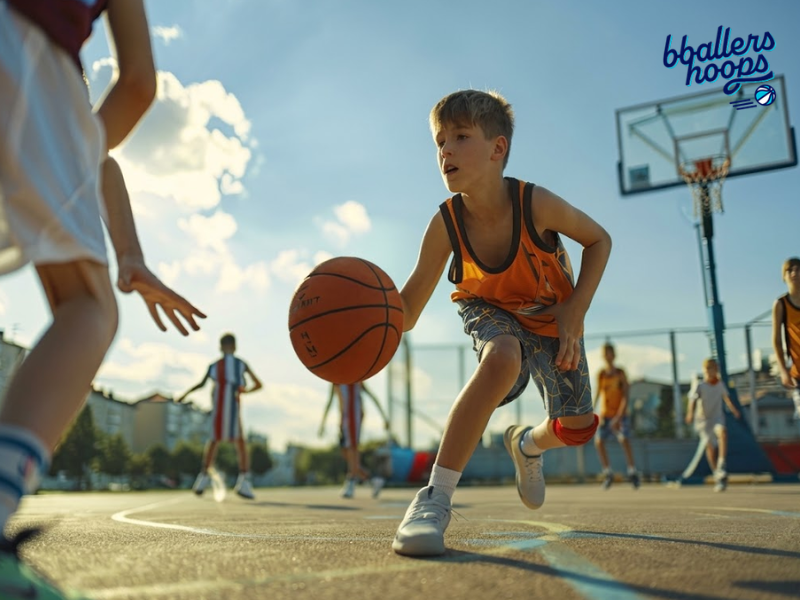
Joining a Youth Basketball League gives children an opportunity to learn basketball, make friends, stay active, and develop confidence through organised games. Whether your child is picking up a basketball for the first time or already understands the basics, the right league can provide a supportive environment to improve their skills.
Youth basketball programs vary in age groups, competition levels, schedules, and playing formats. Some focus on recreational activities, while others offer structured training and competitive games. For parents in Long Beach, CA, understanding these differences can make it easier to find a suitable program. This article explains how kids’ basketball leagues work, what to expect during registration, and how participation supports children’s physical and social development.
Key Takeaways
- Youth basketball leagues introduce children to organised basketball through practices and games.
- Recreational leagues are generally suitable for beginners.
- Age groups and eligibility requirements vary by league.
- Parents should check schedules, fees, equipment, and coaching before registering.
- 3-on-3 basketball gives children more opportunities to handle and pass the ball.
- Team sports help children develop communication, cooperation, and sportsmanship.
How Do Youth Basketball Leagues Work?
A Youth Basketball League organises children into teams based on age, experience, or skill level. Players usually attend scheduled practices and compete in games against other teams. Most programs include coaching, basic skill development, team activities, and a season schedule.
How Are Kids Divided Into Teams?
Most leagues organise players into age-based divisions to create fair and enjoyable competition.
Common divisions may include:
- Preschool and early elementary groups.
- Elementary school age groups.
- Middle school divisions.
- Beginner and intermediate teams.
Some programs also offer COED Youth Basketball League divisions, allowing boys and girls to participate together.
What Happens During a Basketball League Season?
A typical season may include:
- Registration and player placement.
- Team assignments and coach introductions.
- Weekly practices.
- Scheduled games against other teams.
- End-of-season activities or awards.
A recreational season may run for several weeks, depending on the organisation.
How Often Do Kids Practise and Play?
Many beginner programs schedule one or two practices or games per week. Sessions may last around 45–60 minutes for younger children, although schedules vary.
Pro Tip: Before registering, request the complete season calendar so you can plan around school, family activities, and other commitments.
What Is the Difference Between Recreational and Competitive Basketball Leagues?
A Recreational Basketball League focuses on participation, enjoyment, and learning basic skills. Competitive leagues place greater emphasis on performance, structured training, and winning games. The right choice depends on a child’s experience, confidence, interest, and readiness for a more demanding schedule.
What Is a Recreational Basketball League?
Recreational leagues are generally designed for children who want to learn basketball and enjoy playing with others.
They usually offer:
- Beginner-friendly coaching.
- Basic dribbling, passing, and shooting drills.
- Opportunities for regular game participation.
- A focus on teamwork and sportsmanship.
- Less pressure to achieve competitive results.
What Is a Competitive Basketball League?
Competitive programs typically involve more structured practices, stronger opponents, and greater expectations.
Players may need previous experience or attend tryouts before joining a team.
Which League Is Better for Your Child?
| Factor | Recreational league | Competitive league |
|---|---|---|
| Main goal | Learning and enjoyment | Performance and development |
| Experience | Beginner-friendly | Often requires fundamentals |
| Training | Introductory | More structured |
| Competition | Usually less intense | More demanding |
| Commitment | Generally flexible | Usually higher |
| Best suited for | New and developing players | Motivated, experienced players |
For most beginners, recreational basketball is a practical starting point. Children can develop confidence before deciding whether they want more competition.
What Age Can Kids Join a Youth Basketball League?
Children can join basketball programs at different ages, depending on the league’s divisions and minimum participation requirements. Some organisations offer introductory activities for preschoolers, while elementary school leagues provide more structured practices and games.
What Age Groups Are Common in Kids Basketball Leagues?
Age divisions vary, but programs may include:
- Ages 3–4: introductory movement and ball activities.
- Ages 5–6: basic basketball skills and simple games.
- Ages 7–8: beginner team play and fundamental rules.
- Ages 9–10: developing passing, shooting, and game awareness.
- Ages 11–12: more structured team basketball.
These are examples, not universal eligibility rules. Always check the league’s official age cut-off dates.
Is an Elementary School Basketball League Suitable for Beginners?
Yes. An Elementary School Basketball League can help children learn basketball in an organised environment while developing friendships and teamwork.
Many programs welcome beginners and teach fundamental skills during practices.
How Do Parents Know When Their Child Is Ready?
Look for signs such as:
- Interest in playing basketball.
- Ability to follow simple instructions.
- Willingness to participate in group activities.
- Comfort with basic running and movement.
- Interest in learning new skills.
Children do not need to be excellent players before joining a beginner league.
How to Register Your Child for a Basketball League
Youth Basketball League Registration usually involves choosing an age-appropriate program, completing an online or in-person application, providing required information, and paying the registration fee. Some leagues also require a uniform order, waiver, or player evaluation.
How to Find the Right Basketball League for Kids
Start by searching for local youth sports organisations, community centres, and basketball academies.
When comparing programs, check:
- Age divisions and skill requirements.
- Practice and game locations.
- Season dates and weekly schedules.
- Coaching experience.
- Registration deadlines.
- Total participation fees.
What Information Is Needed for Registration?
Most organisations request:
- Child’s name and date of birth.
- Parent or guardian contact details.
- Emergency contact information.
- Relevant medical or allergy information.
- Completed participation waivers.
- Payment details.
Requirements vary by organisation.
What Should Parents Check Before Paying?
| Registration detail | What to confirm |
|---|---|
| Program fee | What is included? |
| Uniform | Is it included or purchased separately? |
| Schedule | Are practices and games on different days? |
| Refund policy | What happens if a child withdraws? |
| Equipment | What should the player bring? |
| Location | Are all games played at the same venue? |
Pro Tip: Confirm the full season cost and cancellation policy before submitting payment.
What Should Parents Know Before Their Child’s First Basketball Game?
Before a child’s first basketball game, parents should explain basic expectations, prepare suitable equipment, check the schedule, and encourage participation. Children should understand that learning, teamwork, and having fun are more important than winning or scoring points.
What Should Kids Bring to Their First Game?
Prepare a simple basketball bag containing:
- Team uniform or required sports clothing.
- Basketball shoes with suitable grip.
- Water bottle.
- Extra socks.
- A small towel.
- Healthy snack for before or after the game.
Check the league’s equipment requirements in advance.
What Happens During a Child’s First Game?
A first game may include a team warm-up, coach instructions, player introductions, and short periods of gameplay.
Younger divisions may use modified rules, smaller basketballs, or lower hoops to make participation easier.
How Can Parents Help Children Feel Confident?
Encourage your child to:
- Listen to the coach.
- Try the skills learned during practice.
- Pass the ball and involve teammates.
- Respect other players and officials.
- Enjoy the experience, even when mistakes happen.
Avoid giving too many instructions from the sidelines. Positive encouragement helps children feel comfortable.
What Is 3-on-3 Basketball and Is It Good for Kids?
3-on-3 basketball is a smaller version of basketball played with three players on each team, usually on a half court with one basket. It can help children develop ball handling, passing, shooting, decision-making, and teamwork through more frequent involvement.
How Does a 3-on-3 Youth Basketball League Work?
A 3-on-3 Youth Basketball League generally uses three players per side rather than the five players used in traditional basketball.
Depending on the league, games may use modified scoring, time limits, and simplified rules.
What Are the Benefits of 3-on-3 Basketball?
Children often get more opportunities to:
- Handle the basketball.
- Make passes and decisions.
- Move into open space.
- Practice shooting.
- Defend individual opponents.
- Communicate with teammates.
With fewer players on the court, each child can become more involved in the game.
Is 3-on-3 Better for Beginners?
It can be a useful learning format because the smaller team size gives players more chances to participate.
However, traditional basketball is also valuable for learning full-team positioning and game structure. Both formats can support development.
What Are the Basic Rules of Youth Basketball?
Basic youth basketball rules cover dribbling, passing, shooting, scoring, defending, and respecting the referee’s decisions. Younger leagues may adjust rules to match children’s ages and abilities, so parents should check the specific rules used by their child’s organisation.
What Are the Main Rules Children Should Understand?
Common basketball rules include:
- Players must dribble while moving with the ball.
- Walking or running without dribbling may result in travelling.
- Players cannot push, hold, or unfairly contact opponents.
- The ball must remain within the court boundaries.
- Players should follow referee instructions.
- Teams try to score by putting the ball through the basket.
How Does Scoring Work?
In standard basketball:
| Shot type | Points |
|---|---|
| Free throw | 1 |
| Field goal inside the three-point line | 2 |
| Field goal beyond the three-point line | 3 |
Some youth leagues use modified scoring or do not introduce every scoring rule immediately.
Do Youth Leagues Use Modified Rules?
Yes. Rules may be adjusted for younger players to support learning and safety.
Examples include:
- Lower basket heights.
- Smaller basketballs.
- Shorter game periods.
- Simplified defensive rules.
- Modified playing formats.
Parents should request the league’s rulebook or beginner information before the season starts.
How Do Basketball Leagues Help Kids Develop Teamwork?
Basketball leagues help children develop teamwork by teaching them to communicate, share responsibilities, support teammates, and work toward a common goal. Regular practices and games give children opportunities to cooperate, solve problems, and learn sportsmanship.
How Does Basketball Improve Communication?
Players need to communicate when passing, defending, and moving around the court.
Children gradually learn to call for the ball, share information, listen to teammates, and respond to coaching instructions.
How Do Team Activities Build Cooperation?
Basketball requires players to work together rather than rely on one person.
Children learn to:
- Pass instead of always shooting.
- Give teammates space.
- Support players after mistakes.
- Share playing opportunities.
- Celebrate team achievements.
Can Basketball Improve Confidence and Social Skills?
Yes. Participating in a Kids Basketball League gives children opportunities to meet new people, develop friendships, and become more comfortable in group settings.
Learning a new skill or contributing to a team can also build confidence.
Pro Tip: After games, ask your child how they helped their teammates. This encourages them to value cooperation as much as individual performance.
Conclusion:
Joining a Youth Basketball League can help children become more active, develop basketball fundamentals, and build important social skills. From beginner recreational programs to structured competitive teams, there are different opportunities for children with different ages and experience levels.
Before choosing a program, compare coaching quality, age divisions, schedules, playing formats, and registration requirements. A supportive league should make children feel included while giving them opportunities to improve.
Ready to get your child started? Explore local basketball programs in Long Beach, CA, compare beginner-friendly options, and find a league where your child can learn, play, and grow with confidence.
FAQs
1. What is the best age to join a youth basketball league?
Children can explore basketball through play from around age three, although structured league participation depends on the organisation. Many programs offer beginner divisions for elementary school children. Parents should consider their child’s interest, coordination, and readiness to participate in group activities.
2. How long does a kids basketball league season last?
A youth basketball season may last several weeks or a few months, depending on the organisation. Some leagues schedule one or two games per week, while others include regular practices and weekend matches. Check the season calendar before registering.
3. Do kids need basketball experience to join a beginner league?
No. Beginner Youth Basketball League programs are designed to introduce children to the sport. Coaches typically teach dribbling, passing, shooting, movement, and basic rules. Children can learn these skills gradually through practice and games.
4. What is the difference between a COED youth basketball league and a regular league?
A COED Youth Basketball League allows boys and girls to participate on the same teams or within the same division. Other leagues may organise separate divisions. The exact format depends on the organisation, age group, and competition structure.
5. How much does it cost to join a youth basketball league?
Costs vary depending on the location, season, and program. Registration may cover coaching, games, and basic administration, while uniforms, equipment, and additional activities may cost extra. Ask for a complete fee breakdown before enrolling.
6. What equipment does my child need for basketball?
Most children need comfortable athletic clothing, basketball shoes, and a water bottle. Some leagues provide basketballs and uniforms, while others require families to purchase them. Check the organisation’s equipment list before buying anything.
7. Is 3-on-3 basketball suitable for young children?
Yes. Three-on-three basketball can be a useful format for young players because there are fewer teammates competing for the ball. Children get more opportunities to practise passing, dribbling, shooting, and decision-making. The rules should be adapted to the age group.
8. How do I find a youth basketball league near me?
Search for local basketball leagues, community sports programs, recreation centres, and youth basketball organisations. Compare age groups, schedules, locations, coaching, and registration fees. For Long Beach families, checking nearby community facilities can help identify convenient options.
9. What should parents look for in a kids basketball league?
Look for experienced coaches, safe facilities, suitable age divisions, clear communication, and a positive learning environment. Ask about playing time, practice schedules, game rules, and total fees. A good league should encourage participation and skill development.
10. Does playing basketball help children develop social skills?
Yes. Basketball gives children regular opportunities to communicate, cooperate, follow instructions, and interact with teammates. Through practices and games, they learn to share responsibilities, handle disagreements, respect others, and work toward common goals.