
The Complete Guide to Basketball Skills Development for Kids
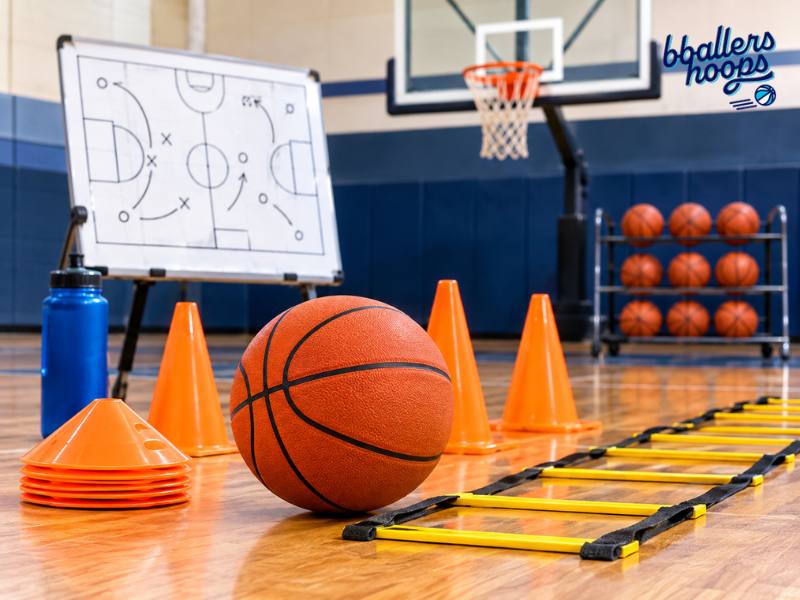
Basketball skills development for kids is about more than learning to score points. It helps children build coordination, confidence, teamwork, discipline, and physical fitness while developing a lifelong interest in sports. Whether your child is picking up a basketball for the first time or already enjoys playing, consistent practice can help improve their dribbling, shooting, passing, and movement.
For parents in Long Beach, CA, introducing children to basketball through enjoyable home exercises, structured practice, and age-appropriate coaching can make learning easier. From beginner basketball classes to organized youth basketball skills training, the right approach helps children develop strong fundamentals without feeling pressured to perform. This guide explains practical ways to help young players improve and enjoy every step of their basketball journey.
Key Takeaways
- Start with basic skills such as dribbling, passing, shooting, and footwork.
- Keep practice sessions short, enjoyable, and appropriate for your child’s age.
- Use simple basketball drills at home to build coordination and confidence.
- Encourage consistent practice rather than focusing only on winning.
- Consider professional basketball classes for kids to receive structured coaching.
- Combine individual exercises with team activities to develop communication and teamwork.
How Can Kids Improve Their Basketball Skills at Home?
Kids can improve basketball skills at home by practicing dribbling, passing, shooting form, and footwork for 15–30 minutes per session. Regular repetition, simple equipment, and fun challenges help children develop coordination and confidence.
1. Create a Simple Basketball Practice Area
A driveway, backyard, or nearby outdoor court can provide enough space for basic basketball training. Children need a basketball, a hoop if available, and a few cones or household markers.
2. Practice Ball Handling Every Day
Start with easy exercises:
- Bounce the ball with the right and left hands.
- Practice stationary dribbling for 30 seconds.
- Walk slowly while controlling the ball.
- Switch hands while moving around markers.
3. Improve Coordination Through Fun Games
Try simple activities such as dribbling around water bottles, bouncing a ball while walking, and passing against a wall. These exercises make basketball training for beginners enjoyable.
4. Follow a 20-Minute Home Practice Routine
| Activity | Practice time |
|---|---|
| Warm-up and stretching | 3 minutes |
| Dribbling drills | 5 minutes |
| Passing practice | 4 minutes |
| Shooting practice | 5 minutes |
| Fun basketball challenge | 3 minutes |
Pro Tip: Focus on correct movement before increasing speed. Children learn better when they can control the basketball comfortably.
What Are the Basic Basketball Skills Every Child Should Learn?
Every child should learn five basketball fundamentals: dribbling, shooting, passing, footwork, and defense. These foundational skills help young players understand the game, control the ball, and participate confidently in team activities.
1. Dribbling and Ball Control
Dribbling means bouncing the basketball with one hand while moving around the court. Children should practice using both hands and keeping their heads up.
2. Shooting and Proper Hand Position
Teach children to:
- Keep their eyes on the target.
- Position their shooting hand under the ball.
- Use the opposite hand for balance.
- Bend their knees slightly.
- Follow through after releasing the ball.
3. Passing and Catching
Young players should learn chest passes, bounce passes, and overhead passes. Encourage them to look at their teammates and use both hands when catching.
4. Footwork, Balance, and Defense
Teach basic athletic movements, including pivoting, stopping, changing direction, and maintaining a balanced defensive stance.
| Basketball skill | Main purpose | Beginner exercise |
|---|---|---|
| Dribbling | Ball control | Stationary bouncing |
| Shooting | Scoring | Close-range shots |
| Passing | Teamwork | Wall passing |
| Footwork | Balance | Jump stops |
| Defense | Positioning | Defensive slides |
How to Teach Kids Basketball: A Beginner’s Guide for Parents
Parents can teach basketball by introducing one skill at a time, demonstrating the correct technique, and allowing children to practice through simple games. Beginner basketball classes can also provide structured instruction from experienced coaches.
1. Start With Age-Appropriate Basketball Fundamentals
Children between 7 and 12 years old benefit from learning basic movements before advanced techniques. Use smaller basketballs and lower hoops when appropriate.
2. Make Learning Fun Instead of Competitive
Avoid putting pressure on children to score or win. Celebrate improvements such as controlling the ball, making accurate passes, and trying new techniques.
3. Consider Professional Basketball Classes for Kids
Structured Kids Basketball Lessons introduce children to basketball fundamentals through guided activities, coaching feedback, and team exercises.
When comparing Basketball Classes for Kids in Long Beach, CA, parents should consider:
- Coach experience with young players.
- Class size and individual attention.
- Age and skill-level grouping.
- Safety and facility conditions.
- Opportunities for practice and teamwork.
4. Choose the Right Basketball Equipment
| Age group | Recommended ball | Recommended hoop height |
|---|---|---|
| 7–8 years | Size 5 (27.5 inches) | 8 feet |
| 9–11 years | Size 6 (28.5 inches) | 9 feet |
| 12–14 years | Girls: Size 6; boys: Size 7 | 10 feet |
These are USA Basketball and NBA youth guideline recommendations. Actual equipment may vary depending on the facility and program.
Local Tip: Long Beach Parks, Recreation and Marine offers recreational youth sports for children ages 5–14, including a winter basketball season. Parents can check seasonal registration through the city’s official
What Are the Best Basketball Dribbling Drills for Kids?
The best basketball dribbling drills for kids include stationary dribbling, alternating-hand dribbling, cone weaving, and walking dribbles. These exercises improve ball control, hand coordination, and confidence while helping beginners develop their basketball fundamentals.
1. Stationary Dribbling Drill
Ask children to stand with their feet shoulder-width apart and bounce the ball using one hand for 30 seconds. Repeat with the other hand.
2. Right-Hand and Left-Hand Challenge
Have children switch hands every five bounces. This develops control on both sides and prepares them for movement during games.
3. Cone Weaving Drill
Place five cones approximately three feet apart. Ask children to dribble around each cone without losing control of the ball.
4. Walking and Dribbling Drill
Let children walk across a safe practice area while maintaining a steady dribble. Gradually introduce changes in direction.
Pro Tip: Start slowly and encourage children to look forward rather than constantly watching the ball.
How Can Kids Improve Their Basketball Shooting Accuracy?
Kids can improve shooting accuracy by practicing close-range shots, learning proper hand placement, maintaining balance, and following through consistently. Starting near the basket helps young players develop correct shooting mechanics before attempting longer shots.
1. Begin With Close-Range Shooting
Start approximately 3–5 feet from the basket. Encourage children to make controlled shots instead of attempting difficult long-distance throws.
2. Practice the BEEF Shooting Technique
Teach the simple BEEF method:
- Balance: Keep feet stable.
- Eyes: Focus on the target.
- Elbow: Keep the shooting elbow aligned.
- Follow-through: Extend the shooting arm toward the basket.
3. Try a 10-Shot Accuracy Challenge
Ask children to take 10 close-range shots and count successful attempts. Repeat the activity during future sessions to track progress.
4. Focus on Technique Before Distance
Children should not force long shots using their shoulders or entire bodies. Use an age-appropriate ball and hoop to support proper shooting mechanics.
What Are the Best Passing Drills for Young Basketball Players?
Wall passing, partner chest passes, bounce passes, and moving target drills are excellent ways to improve passing accuracy. These activities help children develop hand coordination, timing, communication, and teamwork.
1. Wall Passing Drill
Stand approximately 5 feet from a wall and practice chest passes. Aim for a consistent target and catch the returning ball.
2. Partner Chest Pass Drill
Two children stand 6–10 feet apart and pass the ball using both hands. Gradually increase the distance as their accuracy improves.
3. Bounce Passing Practice
Teach children to bounce the ball approximately two-thirds of the way toward their partner so it reaches them comfortably.
4. Moving Target Passing
Have one child walk slowly across the practice area while another attempts to pass the ball accurately.
Pro Tip: Encourage children to communicate by making eye contact and calling their teammate’s name before passing.
How Often Should Kids Practice Basketball to Improve?
Most children benefit from one or two structured basketball practices per week, supported by short, enjoyable individual practice sessions. The ideal schedule depends on age, experience, school commitments, and recovery needs.
1. Follow an Age-Appropriate Practice Schedule
USA Basketball recommends different practice durations based on age:
| Age | Recommended practices | Practice duration |
|---|---|---|
| 7–8 years | 1 per week | 30–60 minutes |
| 9–11 years | 2 per week | 45–75 minutes |
| 12–14 years | 2–4 per week | 60–90 minutes |
These recommendations cover organized basketball activities, not every informal activity a child enjoys.
USA Basketball
2. Include Rest and Recovery Days
Rest is essential for healthy development. Children should have time away from organized basketball to recover physically and mentally.
Encourage:
- Adequate sleep.
- Water breaks during practice.
- Light activities on recovery days.
- Participation in other sports and recreational activities.
3. Build a Weekly Basketball Practice Routine
A balanced beginner schedule might look like this:
| Day | Activity | Duration |
|---|---|---|
| Monday | Dribbling practice | 15 minutes |
| Tuesday | Rest or another activity | — |
| Wednesday | Shooting and passing | 20 minutes |
| Thursday | Rest | — |
| Friday | Basketball class or team practice | 45–60 minutes |
| Saturday | Fun basketball games | 20 minutes |
| Sunday | Recovery | — |
Adjust this schedule according to your child’s age, energy, and organized practice commitments.
4. Track Progress Without Creating Pressure
Parents can monitor improvements by checking whether their child can:
- Dribble with both hands.
- Complete 10 controlled passes.
- Improve close-range shooting accuracy.
- Move confidently around the court.
- Communicate with teammates.
The goal is steady improvement, enjoyment, and confidence rather than immediate competitive success.
Conclusion:
Basketball skills development for kids starts with simple fundamentals, regular practice, and positive encouragement. Learning dribbling, shooting, passing, and footwork gives children the foundation they need to become confident players.
Parents in Long Beach, CA, can support this journey through home exercises, recreational sports, and structured Basketball Classes for Kids. Whether your child is a complete beginner or wants to improve existing abilities, the right coaching environment can make a meaningful difference.
Give your child the opportunity to learn, practice, and enjoy basketball. Explore local youth basketball training opportunities and help them take their first step toward becoming a confident player.
FAQs
1. What is the best age for kids to start learning basketball?
Children can begin learning basic basketball activities around ages 5–6. At this stage, focus on simple ball handling, coordination, and fun movement games. Formal training can become more structured as children grow, develop attention skills, and become comfortable with the fundamentals.
2. How can I teach my child basketball at home?
Start with a basketball, a safe practice area, and simple exercises. Teach stationary dribbling, close-range shooting, chest passes, and basic footwork. Keep sessions around 15–20 minutes for beginners and gradually introduce new activities as your child becomes more confident.
3. How many days a week should a child practice basketball?
The recommended frequency depends on age. USA Basketball suggests one organized practice weekly for ages 7–8, two for ages 9–11, and two to four for ages 12–14. Include recovery days and avoid excessive competitive schedules.
4. What basketball size is best for a 7–12-year-old?
USA Basketball recommends a size 5 basketball for ages 7–8 and a size 6 basketball for ages 9–11. For ages 12–14, girls generally use size 6 and boys use size 7. A properly sized ball makes learning and controlling the ball easier.
5. Are basketball classes for kids worth it?
Yes. Well-organized basketball classes provide structured instruction, regular practice, and opportunities to learn from coaches. Children can develop dribbling, shooting, passing, teamwork, and game awareness while interacting with other players at similar skill levels.
6. What are the best basketball drills for beginners?
Good beginner drills include stationary dribbling, cone weaving, wall passing, partner chest passes, and close-range shooting. These activities develop essential basketball fundamentals without requiring advanced equipment or competitive experience.
7. How can my child become better at shooting basketballs?
Encourage your child to practice close-range shots while maintaining balance, proper hand placement, and consistent follow-through. Begin with 10-shot challenges and gradually increase the number of attempts. Correct technique is more important than shooting from long distances.
8. Where can I find basketball classes for kids near me in Long Beach, CA?
Parents can explore local recreation centers, youth sports leagues, and private basketball training programs in Long Beach. The City of Long Beach offers recreational youth basketball opportunities for ages 5–14 during its winter sports season. Check current registration details through the official city website.
9. What should kids learn first in basketball?
Children should begin with dribbling, passing, catching, basic shooting form, and footwork. These skills create a strong foundation for understanding the game. Once children become comfortable with these fundamentals, coaches can introduce defense, movement without the ball, and simple game strategies.
10. Can kids improve basketball skills without joining a team?
Absolutely. Children can develop many basketball fundamentals through individual practice at home or at a nearby court. However, team activities and structured coaching provide additional opportunities to develop communication, teamwork, decision-making, and real-game experience.