
The Complete Parent’s Guide to Youth Basketball Development
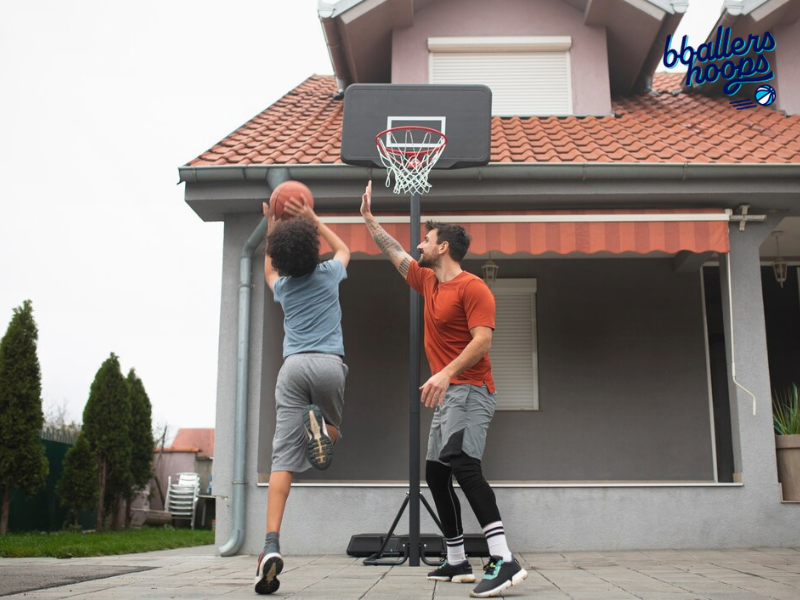
Choosing a basketball program for your child is about more than finding a place to practise and play games. The right environment can help children develop athletic skills, confidence, discipline, and friendships while keeping their experience enjoyable. However, parents often have questions about training schedules, injuries, rest, coaching quality, and whether children should focus on basketball or try different sports. Understanding how Youth Basketball Programs support a child’s overall development makes it easier to choose a suitable option. This guide explains how much basketball is appropriate for young players, how parents can encourage healthy progress, and what to look for in a quality coaching program.
Key Takeaways
- Choose a basketball schedule that matches your child’s age, fitness, and experience.
- Confidence develops through consistent practice, achievable goals, and positive feedback.
- Basketball supports physical fitness, communication, teamwork, and decision-making.
- Warm-ups, proper footwear, hydration, and safe training help reduce injury risks.
- Rest and participation in other sports are important parts of long-term development.
- Look for qualified coaches who prioritize learning, safety, and enjoyment over winning alone.
How Much Basketball Is Too Much for Kids?
Children are doing too much basketball when training regularly causes ongoing fatigue, pain, stress, declining performance, or reduced interest in playing. The right amount depends on age, physical development, experience, and other activities. Parents should balance practices and games with school, sleep, rest, and free time.
How Many Hours Should Kids Play Basketball Each Week?
There is no single weekly training limit for every child. Younger beginners generally need shorter sessions focused on basic movement and enjoyment, while older players may gradually handle more structured training.
A practical starting point is:
- Beginners: 1–2 sessions per week.
- Developing players: 2–3 sessions per week.
- Experienced players: A schedule based on age, recovery, and coaching guidance.
These are general planning examples, not medical limits. Avoid increasing training time suddenly.
What Are the Warning Signs of Overtraining?
Watch for changes in your child’s physical condition and attitude.
Common warning signs include:
- Persistent muscle or joint pain.
- Unusual tiredness during normal activities.
- Difficulty sleeping or recovering.
- Reduced motivation to attend practice.
- Frequent minor injuries.
- Declining performance despite additional training.
If pain continues or affects normal movement, pause the activity and seek advice from a healthcare professional.
How Can Parents Balance Basketball and Other Activities?
Create a weekly schedule that includes practice, games, schoolwork, family time, and rest.
For example, a developing player might attend two practices and one game each week, with other days reserved for recovery or different activities.
Pro Tip: Ask your child how they feel after training. Their energy, mood, and enthusiasm can help you recognize when the schedule needs adjusting.
How Can Basketball Improve a Child’s Confidence?
Basketball can improve confidence by helping children learn new skills, overcome challenges, make decisions, and contribute to a team. Regular encouragement and achievable goals help young players recognize their progress instead of judging themselves only by points scored or games won.
How Does Learning New Skills Build Self-Belief?
Every new skill gives children an opportunity to recognize their improvement.
A beginner who learns to dribble with both hands or make a controlled pass can experience a sense of achievement. These small successes encourage players to keep learning.
Why Should Parents Focus on Effort Instead of Results?
Children may become discouraged if adults focus only on winning, scoring, or making the starting lineup.
Instead, recognize positive actions such as:
- Trying a new technique.
- Communicating with teammates.
- Following coaching instructions.
- Recovering after a mistake.
- Practising consistently.
How Can Coaches Create a Positive Environment?
Effective youth basketball coaching gives players opportunities to learn without fear of embarrassment.
Good coaches provide clear instructions, constructive feedback, and encouragement. They also make sure beginners receive appropriate attention rather than focusing exclusively on the most experienced players.
Is Basketball Good for Kids’ Physical and Social Development?
Yes. Basketball supports children’s physical and social development through running, jumping, coordination, communication, and teamwork. It also gives young players opportunities to practise decision-making, follow shared rules, manage emotions, and build relationships with teammates.
What Physical Skills Do Children Develop?
Basketball involves different movements that help develop general athletic abilities.
These include:
- Coordination: Controlling the ball while moving.
- Balance: Maintaining body control during changes of direction.
- Agility: Moving quickly and changing direction.
- Endurance: Staying active during practices and games.
- Strength: Developing body control through age-appropriate movement.
How Does Basketball Support Social Skills?
Team sports encourage children to communicate and cooperate.
Players learn to pass, listen, share responsibilities, respect teammates, and work toward common goals. These habits can also support positive relationships at school and home.
Basketball vs. Individual Sports for Child Development
Both team and individual sports offer valuable experiences.
| Development Area | Basketball | Individual Sports |
|---|---|---|
| Teamwork | Strong focus | Usually less central |
| Communication | Regular team interaction | Often individual or coach-led |
| Decision-making | Fast decisions during play | Depends on the sport |
| Personal responsibility | Shared with teammates | More individually focused |
| Physical development | Running, jumping, coordination | Varies by activity |
Children can benefit from experiencing both types of sports.
How Can Parents Support Their Child in Youth Basketball?
Parents support young basketball players by encouraging consistent practice, maintaining realistic expectations, communicating respectfully with coaches, and making the experience enjoyable. A parent’s role is to provide encouragement and practical support while allowing coaches to manage training and players to develop at their own pace.
How Should Parents Choose Youth Basketball Programs?
Compare programs based on their coaching approach, age groups, training schedule, and development opportunities.
Look for:
- Clear player development goals.
- Age-appropriate drills and activities.
- Safe facilities and suitable equipment.
- Positive communication between coaches and families.
- Opportunities for beginners and developing players.
When searching for Youth Basketball Programs Near Me, compare local clubs, community centers, and school-based activities instead of choosing only by location.
Why Should Parents Read Basketball Program Reviews?
Parent reviews for basketball programs can help families understand the experience beyond promotional claims.
When reading youth basketball program reviews, look for repeated feedback about:
- Coaching communication.
- Player development.
- Organization and scheduling.
- Training environment.
- Safety and supervision.
Consider visiting a practice and speaking with other parents before making a decision.
How Can Parents Encourage Progress at Home?
Parents do not need to become basketball coaches to support development.
Simple activities include:
- Set aside 10–15 minutes for relaxed ball-handling practice.
- Encourage outdoor play and general physical activity.
- Help children remember their equipment and schedule.
- Celebrate improvements rather than comparing players.
- Ask what they enjoyed or learned after each game.
How to Prevent Common Basketball Injuries in Young Players
Parents and coaches can reduce common basketball injury risks through proper warm-ups, age-appropriate training, suitable footwear, hydration, safe playing surfaces, and adequate recovery. Children should not be encouraged to play through pain, particularly when it affects movement or normal daily activities.
What Are the Most Common Basketball Injuries in Kids?
Young basketball players may experience:
- Ankle sprains from landing or changing direction.
- Knee discomfort from repeated jumping and running.
- Muscle strains from sudden movements.
- Finger injuries during passing or catching.
- Overuse problems from excessive repetitive training.
Persistent or severe symptoms should be assessed by a healthcare professional.
Why Are Warm-Ups Important Before Practice?
A warm-up prepares the body for movement and helps players practise basic coordination before more demanding drills.
A simple 8–10 minute warm-up may include:
- Light jogging.
- Side steps.
- Controlled jumping and landing.
- Dynamic leg movements.
- Gentle basketball handling.
Avoid starting intense drills with cold muscles.
What Safety Equipment Should Young Players Use?
Suitable equipment supports comfort and safer participation.
| Equipment | Purpose |
|---|---|
| Basketball shoes | Provide court grip and support |
| Comfortable sportswear | Allow free movement |
| Water bottle | Support hydration |
| Knee or ankle support | Use when recommended for an individual need |
| First-aid supplies | Help manage minor incidents until appropriate care is available |
Pro Tip: Check that shoes fit properly and are designed for court activities. Replace worn-out footwear when grip or support becomes inadequate.
How Important Is Rest for Young Basketball Players?
Rest is essential because children’s bodies need time to recover from physical activity. Adequate sleep, days without intense training, and breaks between demanding sessions support recovery, learning, and long-term participation. More practice is not always better if players are tired or experiencing pain.
How Much Sleep Do Young Basketball Players Need?
Sleep recommendations depend on age. General guidance from pediatric sleep recommendations is:
- Ages 6–12: 9–12 hours per 24 hours.
- Ages 13–18: 8–10 hours per 24 hours.
Consistent sleep routines can support concentration, mood, and physical recovery.
Why Are Rest Days Important?
Rest days give muscles and joints time to recover from repeated activity.
They also help prevent children from feeling that every day must involve organized training. Free play and relaxed activities can keep sports enjoyable without adding competitive pressure.
What Does a Healthy Weekly Schedule Look Like?
A balanced schedule might look like this:
| Day | Suggested Activity |
|---|---|
| Monday | Basketball practice |
| Tuesday | Rest or light activity |
| Wednesday | Basketball practice |
| Thursday | Free play or recovery |
| Friday | Rest |
| Saturday | Game or recreational activity |
| Sunday | Family time and recovery |
Adjust the schedule to your child’s age, health, and total activity level.
Should Kids Play Multiple Sports or Focus on Basketball?
Many children benefit from playing multiple sports, especially while they are young. Different activities develop different movement skills and allow children to discover what they enjoy. Specializing in basketball can be considered later when a child shows sustained interest and can manage the physical and time commitments safely.
What Are the Benefits of Playing Multiple Sports?
Different sports develop different physical and mental abilities.
For example:
- Soccer supports footwork and endurance.
- Swimming develops general fitness and coordination.
- Gymnastics supports balance and body control.
- Tennis develops hand-eye coordination and movement.
- Basketball develops teamwork and ball-handling skills.
When Should a Child Focus More on Basketball?
There is no universal age when every child should specialize.
Consider a greater basketball focus when the child:
- Shows genuine interest in regular training.
- I enjoy learning advanced skills.
- Can manage the schedule without excessive stress.
- Has enough time for school, sleep, and recovery.
- I want to pursue more competitive opportunities.
Multiple Sports vs. Basketball Specialization
| Factor | Multiple Sports | Basketball Specialization |
|---|---|---|
| Main benefit | Broad athletic development | Focused basketball improvement |
| Activities | Different sports | Primarily basketball |
| Skill exposure | Wider variety | More sport-specific |
| Schedule | May vary by season | Often more consistent |
| Best approach | Useful for exploring interests | Consider when readiness and interest support it |
Parents should avoid pressuring children to specialize simply because other players are doing so.
What Makes a Good Youth Basketball Coach?
A good youth basketball coach combines basketball knowledge with patience, communication, safety awareness, and an understanding of child development. Effective coaches teach fundamental skills, encourage teamwork, provide constructive feedback, and create an environment where players of different abilities can improve.
What Qualifications and Experience Should Coaches Have?
Experienced youth basketball coaches should understand age-appropriate training and basic injury prevention.
Parents can ask about:
- Coaching experience with the relevant age group.
- Basketball education or recognized certifications.
- First-aid and safeguarding training.
- Previous experience developing beginner players.
- How coaches manage different skill levels.
Qualifications are important, but a coach’s behavior and teaching approach matter too.
Why Is a Coach’s Philosophy Important?
A youth basketball coaching philosophy explains what the program prioritizes.
Look for a philosophy that values:
- Skill development over winning at all costs.
- Fair and respectful treatment.
- Teamwork and sportsmanship.
- Age-appropriate training.
- Positive communication.
A strong coaching philosophy helps children enjoy the sport while developing useful skills.
What Should Parents Ask the Coaching Staff?
Before joining a program, speak with the youth basketball coaching staff about expectations.
Useful questions include:
- How many practices are held each week?
- How do you support beginners?
- How do you evaluate player progress?
- How are playing opportunities managed?
- What steps are taken when a player gets injured?
How Can Parents Evaluate a Basketball Program?
Use this checklist when comparing basketball clubs for kids.
- Coaches communicate clearly.
- Training is suitable for the players’ ages.
- The program has clear safety procedures.
- Players receive constructive feedback.
- Practice schedules are manageable.
- Parents understand registration and participation requirements.
Pro Tip: Observe a full practice if possible. Notice whether coaches explain drills clearly, involve all players, and correct mistakes respectfully.
Conclusion
Successful youth basketball development is about much more than improving shooting accuracy or winning games. The right Youth Basketball Programs help children develop physical abilities, confidence, teamwork, discipline, and a lasting interest in staying active.
Parents can support this progress by choosing suitable training schedules, encouraging rest, preventing injuries, and finding experienced coaches who understand young athletes. It is equally important to listen to children, respect their interests, and avoid unnecessary pressure.
Before enrolling, compare local programs, read parent reviews, observe a practice, and speak with the coaching staff. A positive basketball experience should help your child improve while enjoying the process of learning and playing.
FAQs
1. What is the best age for a child to start basketball?
Children can begin exploring basketball through simple, playful activities at a young age. Many organized beginner programs accept children around ages 5–8, depending on their structure. The best starting point depends on the child’s interest, coordination, and readiness to participate in group activities.
2. How many days a week should a child play basketball?
The appropriate schedule depends on age, experience, fitness, and other activities. Many beginners can start with one or two organized sessions weekly, while developing players may participate more often. Parents should monitor fatigue, pain, and motivation and make sure children have enough time to recover.
3. Does basketball help children develop confidence?
Yes. Basketball gives children opportunities to learn skills, overcome challenges, make decisions, and contribute to a team. Achieving small goals, receiving positive feedback, and improving through practice can strengthen self-belief. Confidence develops best when adults recognize effort and progress rather than focusing only on winning.
4. What should parents look for in a youth basketball program?
Look for experienced coaches, age-appropriate training, safe facilities, clear communication, and opportunities for players to improve. Ask about practice schedules, player-to-coach ratios, and how beginners are supported. Reading parent reviews and observing a practice can help you understand the program’s actual environment.
5. Can playing too much basketball affect a child’s health?
Yes. Excessive training without enough recovery can contribute to fatigue, overuse injuries, and reduced motivation. Persistent pain, poor sleep, and declining performance may indicate that a schedule needs adjustment. Parents should monitor total physical activity and seek professional advice when symptoms continue.
6. Should my child play basketball and another sport?
Many children benefit from participating in multiple sports because different activities develop different movement skills and keep physical activity varied. There is no need to specialize early simply to improve basketball performance. Consider your child’s interests, schedule, recovery, and enjoyment when choosing activities.
7. How can I tell if a youth basketball coach is good?
A good coach communicates clearly, teaches fundamental skills, treats players respectfully, and gives constructive feedback. They should understand age-appropriate training and prioritize player safety. Watching a practice can help parents see whether the coach involves everyone and creates a supportive learning environment.
8. How can parents prevent basketball injuries in children?
Encourage proper warm-ups, suitable footwear, hydration, age-appropriate training, and adequate rest. Children should learn safe jumping and landing techniques and avoid playing through pain. If an injury causes significant pain, swelling, or difficulty moving, seek medical assessment rather than relying on continued practice.
9. Are basketball clubs better than school basketball programs?
Both can provide valuable experiences. School programs offer opportunities to represent a school, while basketball clubs may provide additional training and competition. The better choice depends on the child’s goals, schedule, experience, and the quality of coaching available in each program.
10. How do I find youth basketball programs near me?
Search for local basketball clubs, recreation centers, school programs, and community sports organizations. Compare their age groups, coaching experience, training schedules, and parent reviews. Contact each organization to confirm registration availability and ask whether your child can attend a trial practice before joining.