
The Complete Guide to Getting Young Children Started in Basketball
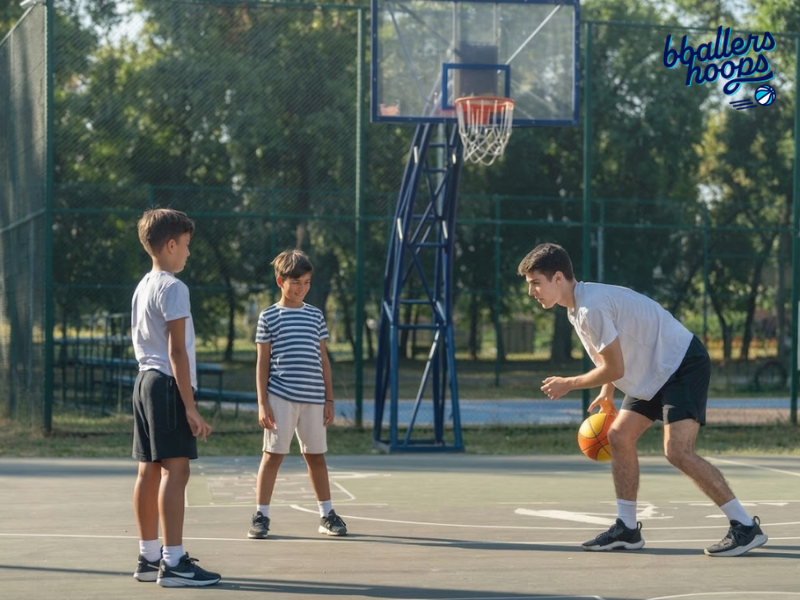
Getting young children interested in basketball is about much more than teaching them to score. At an early age, the goal is to help them enjoy movement, develop coordination, build confidence, and learn how to play with others. Preschool Basketball Classes provide a fun introduction through simple games, age-appropriate drills, and basic basketball activities.
Children develop at different speeds, so there is no single perfect age to begin. Some enjoy playing with a small basketball at three, while others become interested closer to five or six. With the right approach, parents can make basketball a positive experience that encourages healthy habits and a lasting interest in sports.
Key Takeaways
- Children can begin exploring basketball through play from around age three.
- Preschool basketball should focus on fun, movement, and basic coordination.
- Smaller basketballs and lower hoops make learning easier.
- Short activities of 10–20 minutes can suit younger beginners.
- Positive coaching helps children develop confidence and teamwork.
- Recreational programs are generally a good starting point for beginners.
What Age Should Kids Start Learning Basketball?
Many children can start learning basic basketball activities between ages three and six. The best starting age depends on their interest, coordination, attention span, and readiness to participate in group activities.
Young children do not need to understand formal rules or play structured games immediately. Early basketball programs introduce movement, ball familiarity, and simple instructions through play.
What Is a Good Age to Start Basketball?
Children can explore basketball at different ages:
- Age 3: Rolling, holding, and tossing a soft or lightweight ball.
- Age 4: Practising basic throwing, catching, and movement.
- Age 5: Learning simple dribbling and shooting activities.
- Age 6: Developing beginner techniques and understanding simple game rules.
Signs Your Child Is Ready for Basketball
Your child may be ready when they:
- Show interest in balls or sports activities.
- Can follow simple one-step instructions.
- I enjoy moving, running, and playing.
- Are comfortable participating around other children.
- Can take part in short, supervised activities.
Why Start With Preschool Basketball Classes?
Preschool Basketball Classes introduce the sport without placing pressure on children to perform.
A good program uses smaller equipment, simple instructions, and short activities. Coaches should encourage participation rather than focus on winning or scoring.
Is Basketball Good for 3-Year-Olds? Benefits and Beginner Activities
Basketball can be beneficial for three-year-olds when activities are simple, supervised, and designed around play. At this age, children can practise basic movement, hand-eye coordination, balance, and social interaction without learning formal basketball techniques.
Toddler Basketball Classes should focus on exploration rather than structured competition. Children learn by touching, rolling, carrying, and tossing the ball.
Physical Benefits of Basketball for Toddlers
Simple basketball activities help children practise:
- Coordination: Tracking and moving a ball with their hands.
- Balance: Walking, bending, and changing direction.
- Motor skills: Developing control through throwing and catching.
- Movement: Running, jumping, and reaching safely.
Easy Basketball Activities for 3-Year-Olds
Try these beginner-friendly activities at home:
- Ball rolling: Sit opposite your child and roll a soft ball back and forth.
- Basket toss: Let your child throw a lightweight ball into a large laundry basket.
- Ball carrying: Ask them to carry the ball between two safe markers.
- Colour targets: Place colourful containers around the room and let them aim for each one.
Keep activities short, usually around 5–10 minutes at a time, depending on your child’s interest.
How to Keep Basketball Fun for Toddlers
Avoid correcting every movement. Celebrate effort, allow breaks, and let children explore at their own pace.
Pro Tip: Use a soft, lightweight ball and a low, stable target instead of expecting a toddler to use a regulation basketball hoop.
What Basketball Skills Should a 4-Year-Old Learn?
A four-year-old should begin with basic ball control, throwing, catching, aiming, and movement. These early skills create a foundation for future basketball learning without requiring advanced dribbling or shooting techniques.
Basketball Classes for 4-Year-Olds should use playful drills that develop coordination and confidence.
Basic Ball Handling Skills
Introduce simple activities such as:
- Holding the ball with both hands.
- Moving the ball from one hand to another.
- Rolling the ball towards a target.
- Bouncing the ball with assistance.
- Carrying the ball while walking.
Beginner Shooting and Aiming
A four-year-old can practise shooting using a low basket or child-friendly hoop.
Focus on aiming and trying rather than perfect shooting form. Use lightweight balls that are easy for small hands to control.
Developing Listening and Teamwork
Group activities can help children learn to:
- Wait for their turn.
- Follow simple instructions.
- Share equipment.
- Encourage other players.
- Participate in short group games.
These habits are just as important as early basketball techniques.
How to Introduce Basketball to a 5-Year-Old
Introduce basketball to a five-year-old through simple dribbling, passing, shooting, and movement games. Start with short practice sessions and gradually introduce basic rules as the child becomes more comfortable with the ball.
At this age, children can often follow more detailed instructions and participate in organised beginner activities.
Start With Simple Basketball Equipment
Choose equipment that matches your child’s size and ability.
| Equipment | Beginner recommendation |
|---|---|
| Basketball | Lightweight size 3 or another age-appropriate ball |
| Basketball hoop | Adjustable, low-height hoop |
| Cones | Soft training markers |
| Training space | Flat, open, non-slippery surface |
| Shoes | Comfortable athletic shoes with good grip |
Teach Dribbling Through Simple Games
Start with stationary bouncing before asking your child to move while dribbling.
Try a simple challenge:
- Bounce the ball once.
- Catch it with both hands.
- Repeat several times.
- Gradually attempt two or three consecutive bounces.
Introduce Passing and Shooting
Practice chest passes with a parent or coach from a short distance. Then introduce close-range shooting using a low hoop.
Keep sessions around 10–20 minutes and stop when your child loses interest.
Can a 6-Year-Old Start Basketball Without Experience?
Yes. A six-year-old can start basketball without previous experience. Beginner programs teach essential skills from the beginning, including dribbling, passing, shooting, movement, and basic rules.
There is no requirement for children to have attended earlier classes. A supportive coach can help beginners learn alongside other children at a similar skill level.
Skills a Beginner Can Learn at Age Six
A six-year-old can begin practising:
- Controlled dribbling with one hand.
- Chest passes and simple bounce passes.
- Close-range shooting.
- Basic defensive positioning.
- Moving into open space.
- Following simple game instructions.
What Happens in a Beginner Basketball Class?
A typical 30–45-minute class might include:
| Activity | Approximate time |
|---|---|
| Warm-up and movement games | 5–10 minutes |
| Ball-handling practice | 10 minutes |
| Passing and shooting | 10–15 minutes |
| Small group game | 5–10 minutes |
| Cool-down and encouragement | 5 minutes |
The schedule should be flexible because children’s attention and energy levels vary.
How to Build Confidence in a New Player
Avoid comparing your child with children who have more experience. Recognise small improvements, such as completing a pass or making a successful shot attempt.
How to Help a Child Who Is New to Basketball
Help a child who is new to basketball by introducing one skill at a time, practising through short games, and providing encouragement. A beginner should feel comfortable making mistakes and learning at their own pace.
Parents play an important role in making the first basketball experience enjoyable.
Make Basketball Part of Everyday Play
You do not need a professional court to practise basic skills. A safe outdoor area, a suitable ball, and a simple target are enough.
Try five to ten minutes of casual practice at home.
Choose Beginner-Friendly Basketball Classes for Young Kids
Look for programs that offer:
- Age-appropriate activities.
- Small groups or suitable coach-to-child supervision.
- Qualified, patient instructors.
- Safe equipment and playing areas.
- Positive feedback instead of performance pressure.
Avoid Putting Too Much Pressure on Your Child
Some children learn quickly, while others need more time. Avoid demanding perfect technique or expecting immediate results.
Pro Tip: Ask your child which activity they enjoyed most after each session. This helps you understand what keeps them interested.
What Should Kids Learn in Their First Basketball Class?
In their first basketball class, children should learn basic movement, ball familiarity, simple instructions, and how to participate safely with others. The focus should be on enjoying the activity rather than mastering basketball skills immediately.
A good first class introduces the sport gradually and gives every child opportunities to participate.
Understanding the Ball and Playing Area
Coaches may introduce:
- How to hold and carry a basketball.
- Where to stand during activities.
- How to move safely around other players.
- How to recognise basic court boundaries.
Learning Basic Basketball Movements
Children may practise walking, running, stopping, turning, and reaching while holding or controlling a ball.
These movements help develop coordination and body awareness.
Following Instructions and Playing With Others
The first class should also introduce simple group expectations, including listening to the coach, taking turns, sharing equipment, and respecting other players.
What Parents Should Expect From the First Session
Do not expect your child to learn every skill in one class. Some children may participate immediately, while others may need time to observe before joining.
A positive first experience matters more than how many shots they make.
Recreational vs. Competitive Basketball: Which Is Better for Beginners?
Recreational basketball is generally better for young beginners because it focuses on enjoyment, participation, and basic skill development. Competitive basketball may become suitable later when children have stronger fundamentals and show interest in more structured training.
The right choice depends on the child’s age, confidence, experience, and personal goals.
What Is Recreational Basketball?
Recreational programs introduce basketball through friendly games and beginner drills.
They typically emphasise:
- Participation over winning.
- Basic basketball techniques.
- Teamwork and sportsmanship.
- Enjoyable group activities.
- Learning at an individual pace.
What Is Competitive Basketball?
Competitive programs place greater emphasis on structured training, team performance, game strategies, and organised matches.
They may involve more frequent practices and higher expectations for skill development.
Which Program Should Parents Choose?
| Factor | Recreational basketball | Competitive basketball |
|---|---|---|
| Main focus | Fun and learning | Performance and development |
| Skill level | Beginner-friendly | Usually more experienced |
| Training | Flexible and introductory | More structured |
| Competition | Limited or informal | Regular organised games |
| Best starting point | New young players | Children ready for greater challenges |
When Should a Child Move to Competitive Basketball?
Consider competitive training when your child:
- Enjoys regular basketball practice.
- Understands basic rules and techniques.
- Shows interest in organised games.
- Can manage a more structured schedule.
- I want to develop their skills further.
There is no need to rush this transition. A strong foundation and positive attitude are more valuable than early competition.
Conclusion:
Getting started with basketball should be an enjoyable experience for both children and parents. From simple ball games at age three to beginner dribbling and passing at age six, every stage offers opportunities to develop coordination, confidence, and teamwork.
The best Preschool Basketball Classes use age-appropriate equipment, supportive coaching, and activities that make learning fun. Whether your child is attending their first class or exploring basketball at home, focus on progress rather than perfection.
Ready to introduce your child to basketball? Explore beginner-friendly basketball programs, find an age-appropriate class, and give your child the opportunity to learn, play, and grow with confidence.
FAQs
1. What is the best age for a child to start basketball?
Many children can begin exploring basketball around age three through simple play activities. More structured beginner classes may suit children aged four to six, depending on their coordination, interest, and ability to follow instructions. The best age is when a child is comfortable participating and enjoys the experience.
2. Are basketball classes suitable for 3-year-olds?
Yes. Toddler Basketball Classes can introduce three-year-olds to basic movement, ball handling, and simple throwing activities. Classes should use lightweight balls, safe equipment, short activities, and patient instruction. The main goal is to make basketball enjoyable rather than teach formal techniques.
3. What should a 4-year-old learn in basketball?
A four-year-old can practise holding, rolling, throwing, catching, aiming, and basic ball control. Simple movement games also help develop balance and coordination. Children at this age do not need advanced dribbling or shooting techniques.
4. Can a 5-year-old learn basketball?
Yes. Five-year-olds can begin learning introductory dribbling, passing, shooting, and basic basketball movements. Short practice sessions and simple games help them develop skills without becoming overwhelmed. A beginner-friendly class can provide structure and positive encouragement.
5. Can my 6-year-old join basketball without experience?
Absolutely. Basketball Classes for 6 Year Olds often welcome complete beginners. Coaches can introduce basic techniques, explain simple rules, and help children build confidence. Previous sports experience is not necessary to start learning.
6. How long should young children practise basketball?
For preschoolers, around 5–15 minutes of informal practice may be enough. Older beginners may enjoy 10–20-minute sessions. The appropriate duration depends on the child’s interest, energy, and attention span. Short, enjoyable sessions are usually better than long drills.
7. What equipment does a preschooler need for basketball?
A preschooler generally needs a lightweight, age-appropriate basketball, comfortable athletic shoes, and access to a low hoop or safe target. Cones can also help organise simple movement games. Parents should choose equipment based on the child’s size and ability.
8. How do I choose basketball programs for preschoolers?
Look for programs with age-specific groups, experienced and patient coaches, safe facilities, suitable equipment, and a focus on participation. Ask about class duration, group size, beginner activities, and supervision before enrolling your child.
9. Are recreational basketball classes better for young beginners?
Recreational classes are often a better starting point because they focus on basic skills, teamwork, and enjoyment. Competitive programs may be appropriate later when children have developed stronger fundamentals and want more structured training.
10. How can I find preschool basketball classes near me?
Search for local preschool basketball programs, community sports centres, and beginner youth basketball academies. Check the age groups, coach experience, class schedule, location, and trial-session availability. Visiting a class before enrolling can help you decide whether the environment suits your child.